- Data-led selection pilot finds 100 high-growth Slovenian companies that have doubled combined revenues to €2.1 billion, created 2,400 jobs in three years and achieved average annual revenue growth of 30%
- Provides a blueprint for identifying and accelerating Europe’s future champions as the EU mobilises up to €80 billion in scale-up investment
Bled, Slovenia, September 1, 2026 – One hundred high-growth companies with the potential to become European and global champions have been identified through a new data-led selection model designed to help close Europe’s competitiveness gap with the US and China.
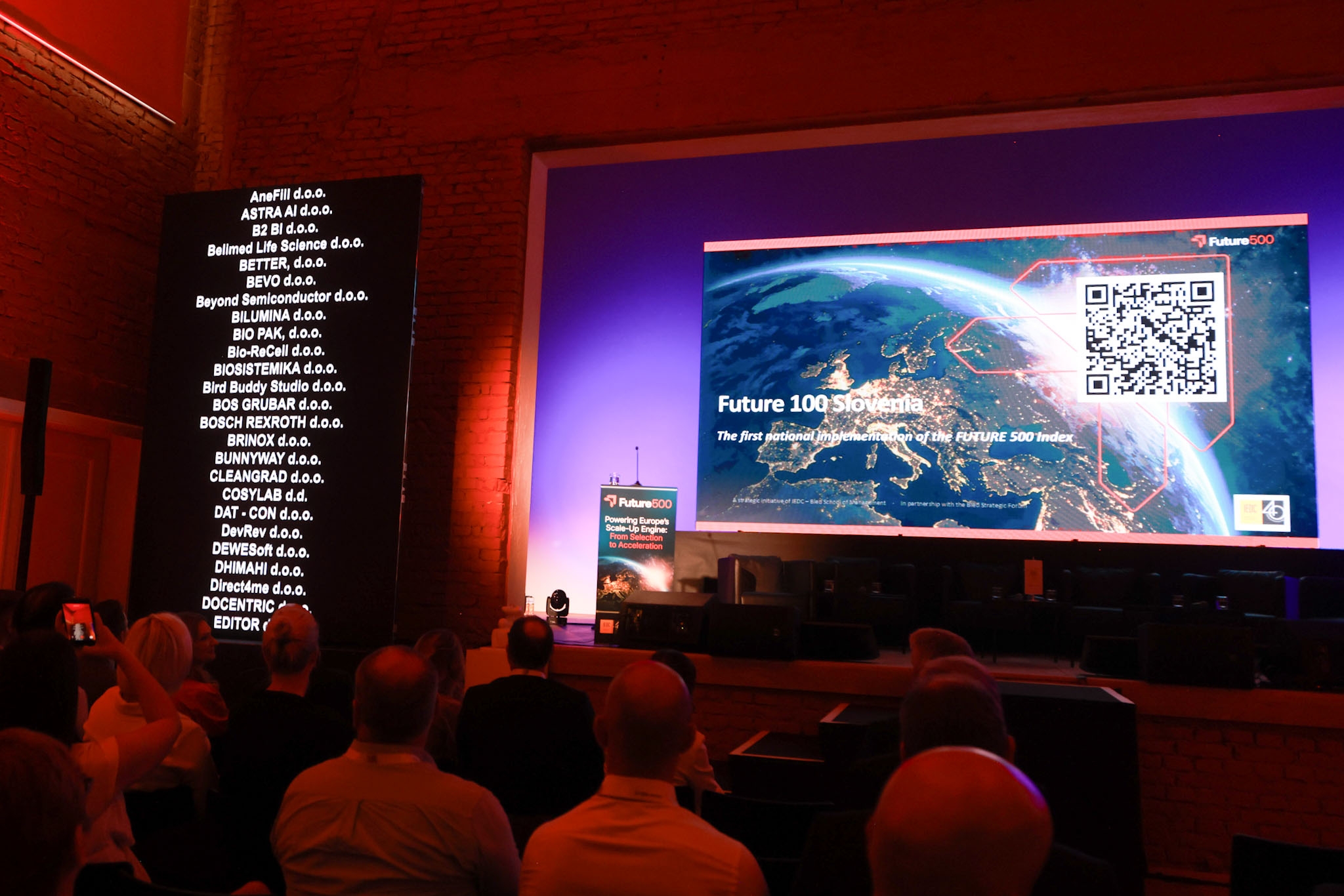
Unveiled today at the Future 500 Forum in Bled, the Future 100 Slovenia companies have collectively increased revenues by 112% in three years, from approximately €1 billion to €2.1 billion. Over the same period, they created around 2,400 jobs, expanding their combined workforce by 42% to approximately 8,100 people.
The initiative is intended to answer a critical question for Europe as it mobilizes billions of euros in new scale-up investment: can it identify its most promising companies early enough, and connect them with the capital, markets and expertise required to compete globally?
Slovenia is the first country in which the Future 500 methodology has been applied in full, creating a pilot that the initiative ultimately intends to deploy across Europe.
More than 203,000 Slovenian business entities were initially considered. Of these, 603 met the OECD definition of a high-growth enterprise, before analysis across seven weighted dimensions and 19 indicators produced the final selection of 100 companies.
The initiative comes as Europe begins to respond to the competitiveness challenge identified by Mario Draghi, with up to €80 billion expected to be mobilised through the European Investment Bank’s ETCI 2.0 and associated investment alliance.
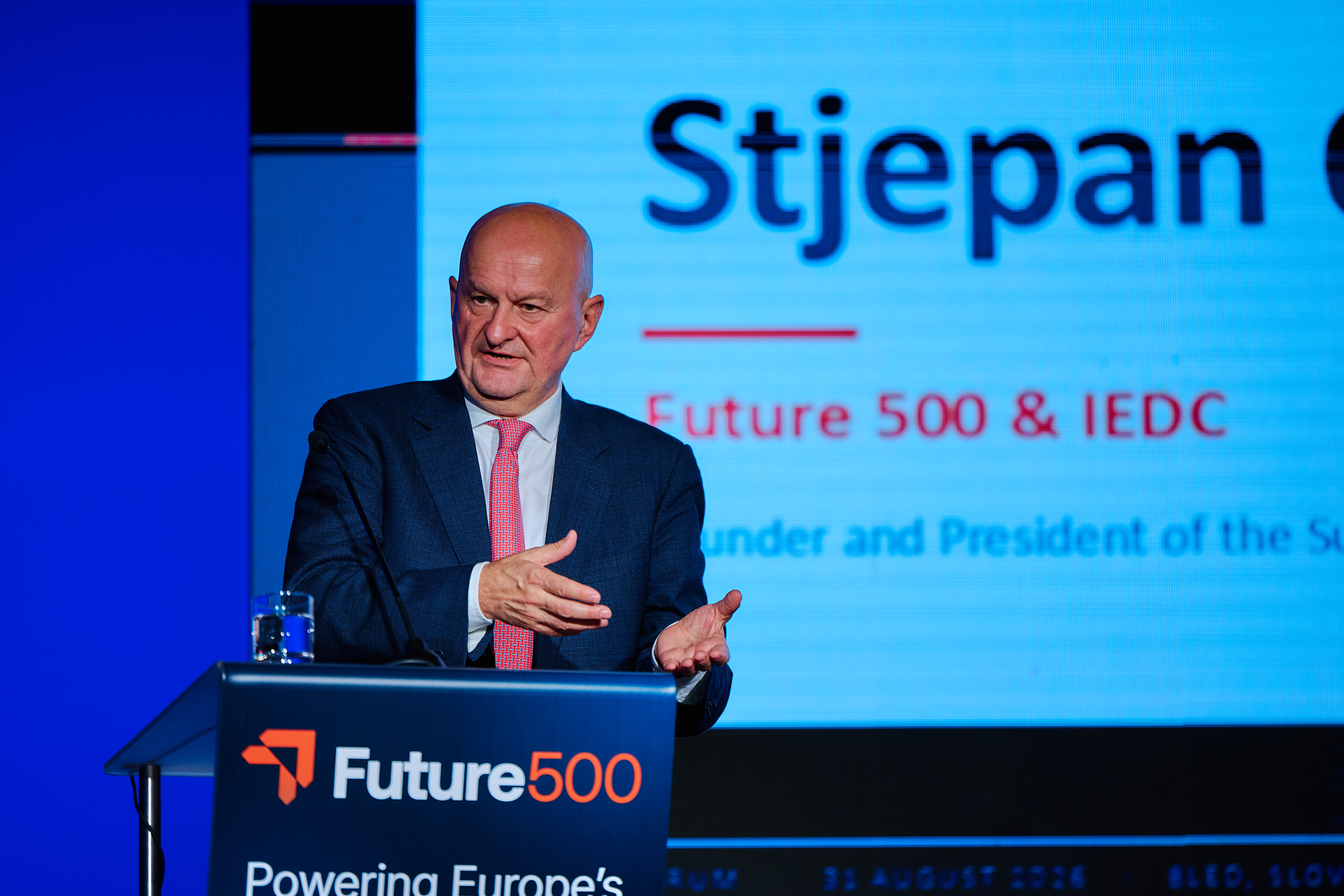
Stjepan Orešković, founder of the Future 500 Initiative, said:
“Europe is beginning to mobilize the capital it needs, but €80 billion will not make Europe more competitive simply because it is available. We need to identify our future champions earlier and ensure that capital, markets and expertise reach the companies capable of competing globally.
Select, connect, support. This is the model we want to develop. We want to work with each selected company on its strategy for further growth and connect it with the right people and institutions. Our goal is to reach all high-growth companies in Europe.”
Growth beyond Europe’s established corporate leaders
Future 100 Slovenia is not a ranking of the country’s largest businesses. The typical selected company generates approximately €7 million in annual revenue and employs 35 people, while 61 of the 100 companies have revenues below €10 million.
Their growth rates are nevertheless significant. The median company has achieved average annual revenue growth of 30%, while approximately one in six is growing by more than 50% a year.
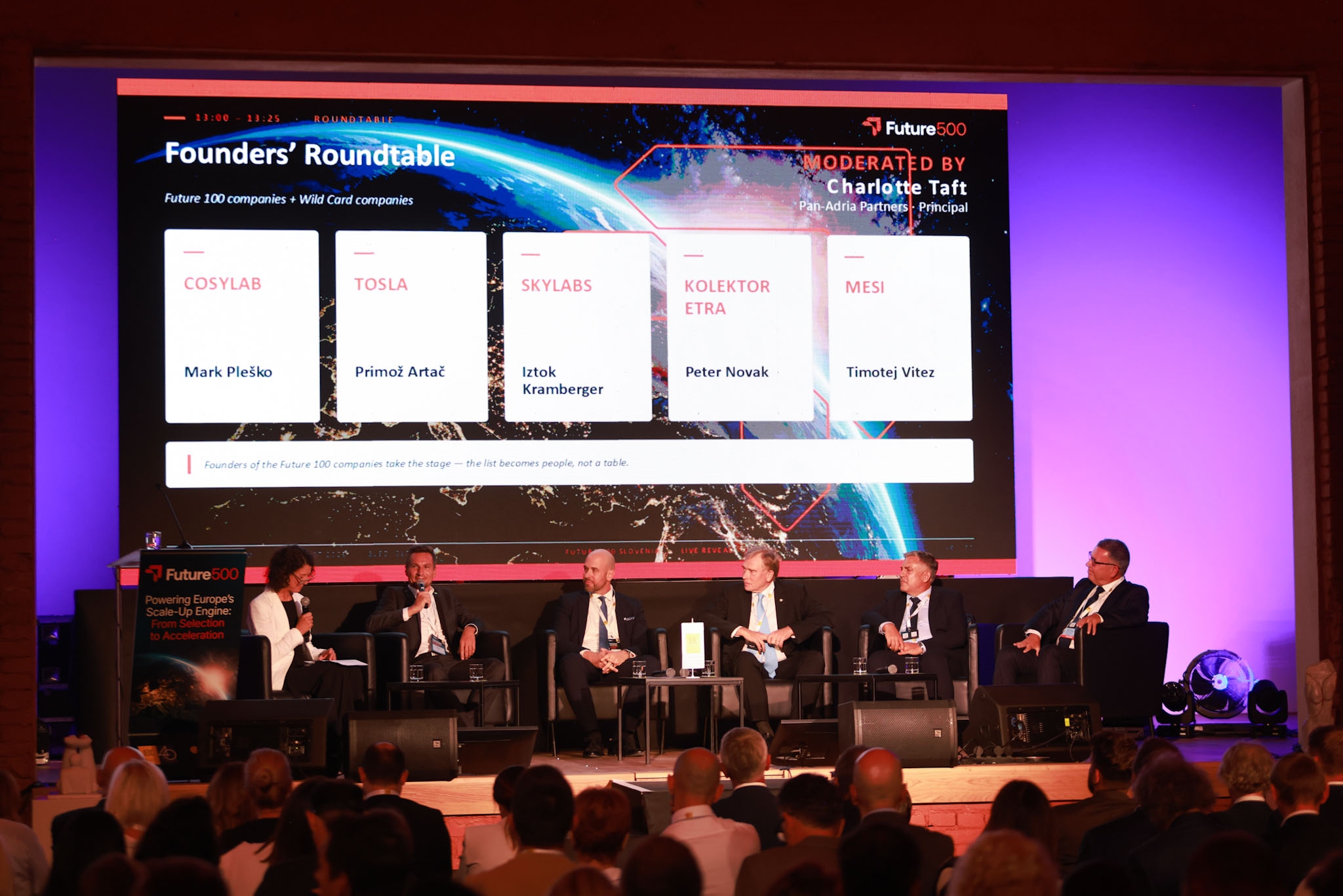
The selection spans multiple parts of the economy, including 45 companies from the broader technology sector, 37 from manufacturing and 14 from engineering and research and development. Companies identified include MESI, TOSLA, Cosylab, Skylabs, and Kolektor Etra.
Rather than relying on revenue growth alone, the Future 500 methodology examines factors including productivity, financial resilience, exports, research and development, patents, governance, management stability and environmental reporting.
It was developed by an international research team at IEDC – Bled School of Management, working with researchers from institutions including Harvard, Oxford, the University of Edinburgh and ESMT Berlin, as well as universities and research institutions across Central and Eastern Europe.
The full Future 100 Slovenia selection is available at future500initiative.com/future-100-slovenia.
From identifying Europe’s problem to backing its potential winners
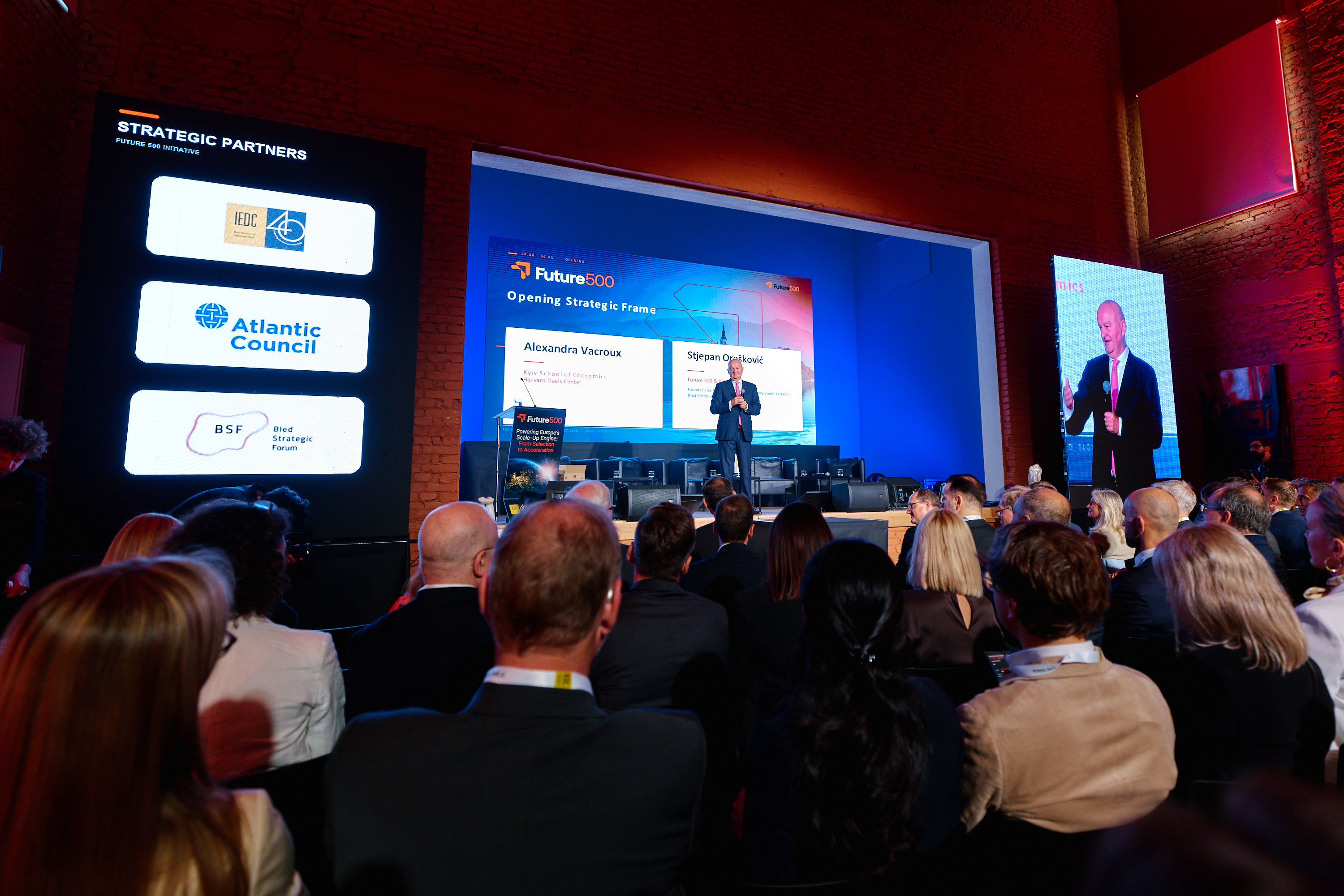
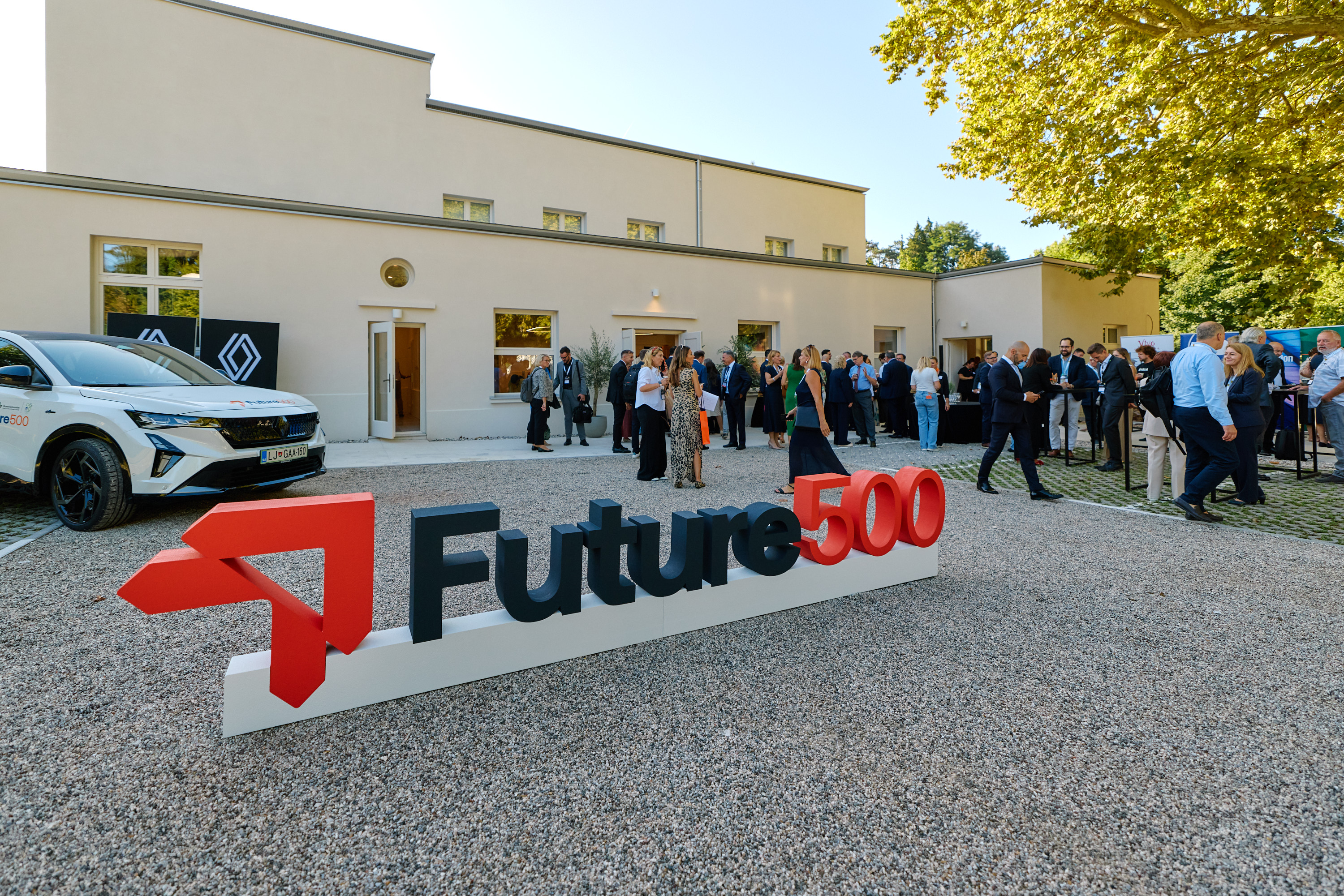
The Future 100 was unveiled at the Future 500 Forum – Powering Europe’s Scale-Up Engine: From Selection to Acceleration, held alongside the Bled Strategic Forum.
The gathering brought together 240 political leaders, policymakers, investors, founders, academics and capital-markets experts to examine how Europe can turn more of its successful growth companies into global leaders.
Participants included Andrej Plenković, Prime Minister of Croatia; Dr Anže Logar, Slovenia’s Deputy Prime Minister and Minister of Economy, Labor and Sport; Marta Kos EU Commissioner for enlargement at the intro session, Kerstin Jorna; Director-General of DG GROW at the European Commission; Michiel Scheffer president of the European Innovation Council; Phillip Baaske, German entrepreneur and academic, Professor Tommaso Valletti of Imperial College Business School and Professor Stjepan Orešković, initiator of the Future 500 initiative, Founder of BOSQAR, and Chairman of the Supervisory Board of IEDC – Bled School of Management along with 50 other speakers.
Senior representatives from the European Investment Bank, European Investment Fund, European Bank for Reconstruction and Development, Nasdaq, Google DeepMind, Siemens, Novartis, Harvard and Dutch pension fund ABP also participated.
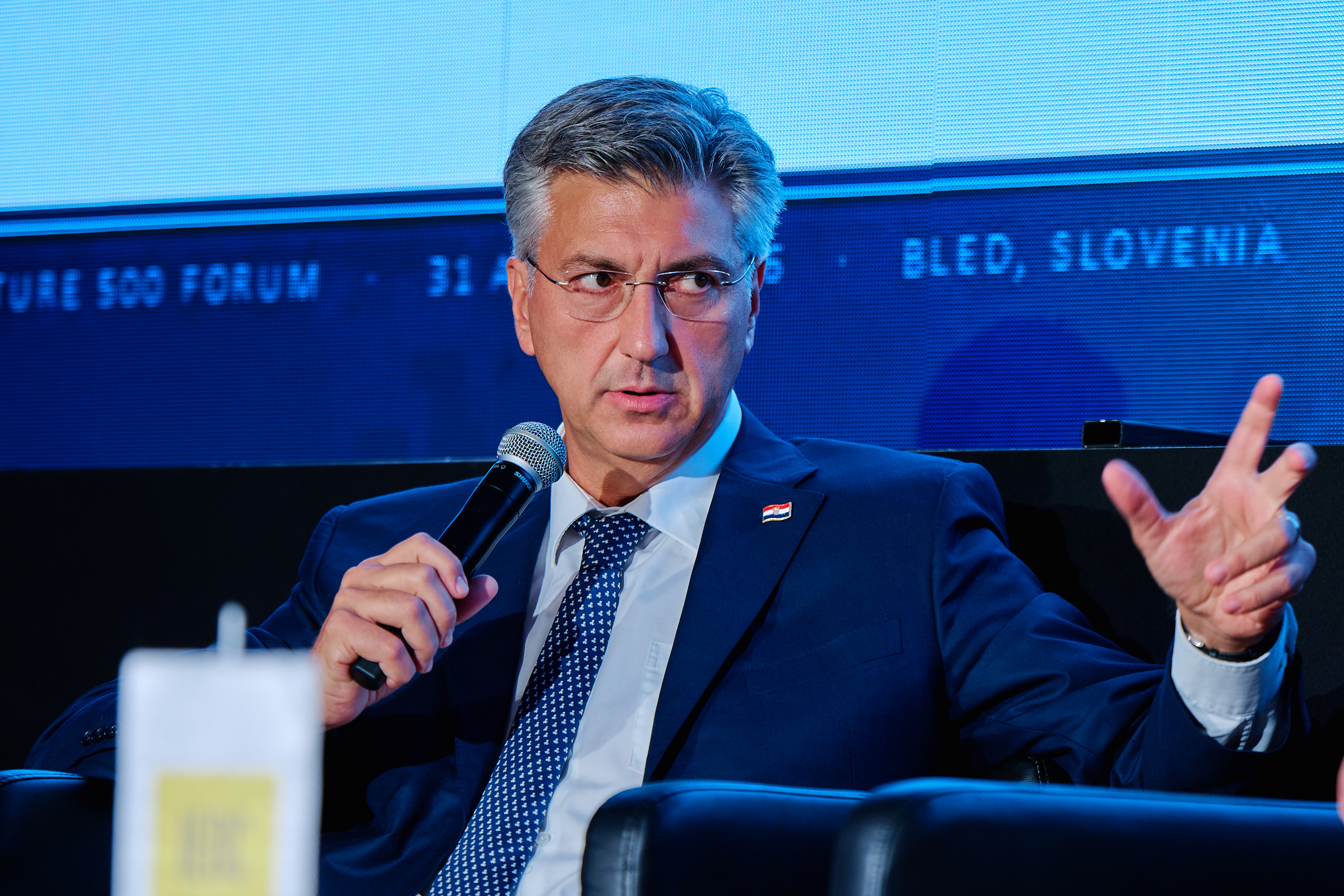
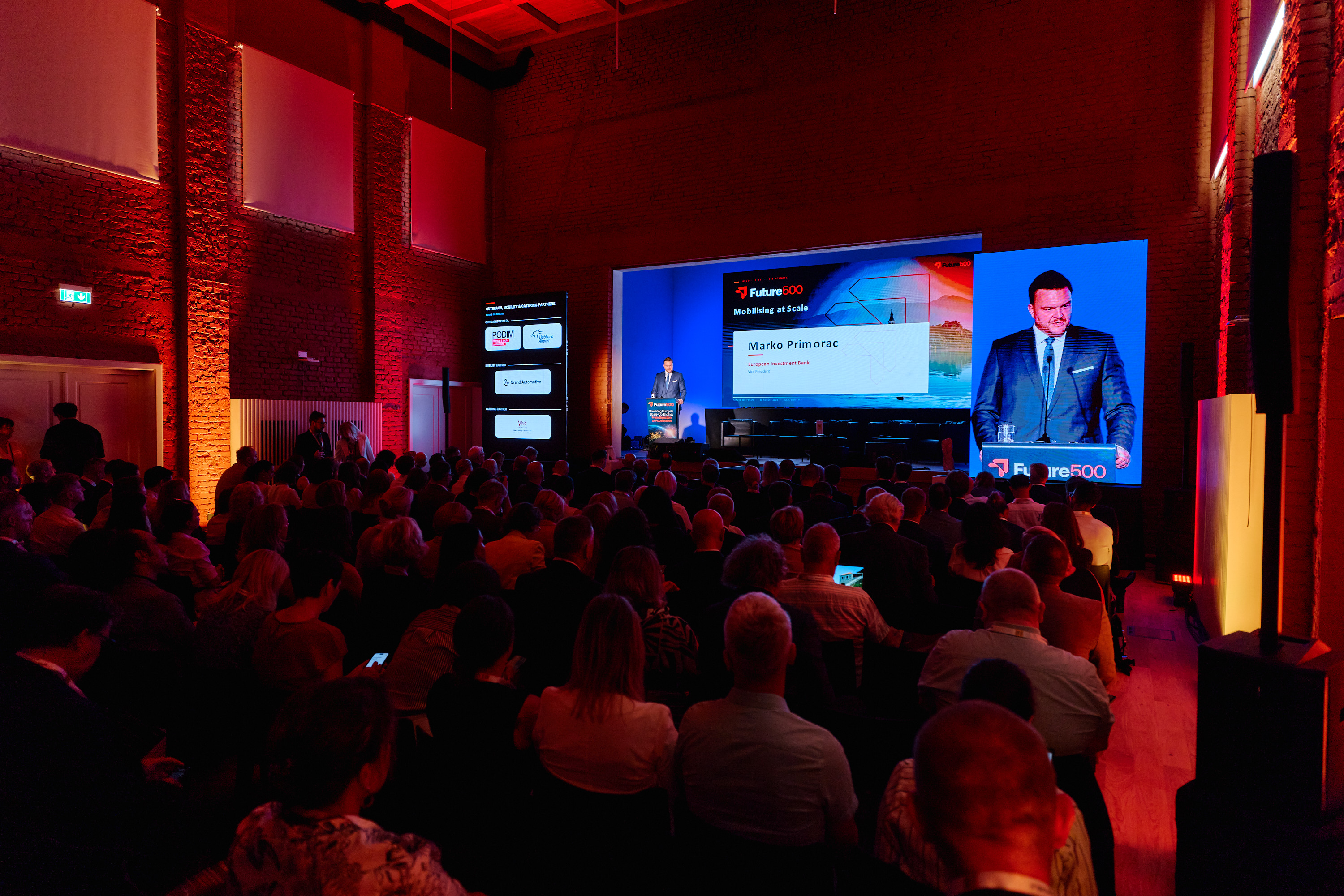
The Forum marked a shift from diagnosis to implementation following Future 500’s inaugural Champions of Growth gathering in Brussels in 2025, which examined why Europe remains successful at producing innovation but struggles to scale enough businesses into global leaders.
Anže Logar said: “We must stop confusing diagnosis with treatment. Europe does not need 500-page strategic reports; it needs 500 strategic companies.”
Discussions in Bled focused on the barriers still preventing promising European companies from reaching global scale, including fragmented capital markets, an incomplete Single Market, slower investment decisions, regulatory complexity, access to specialist talent and a shortage of experienced scale-up leadership.
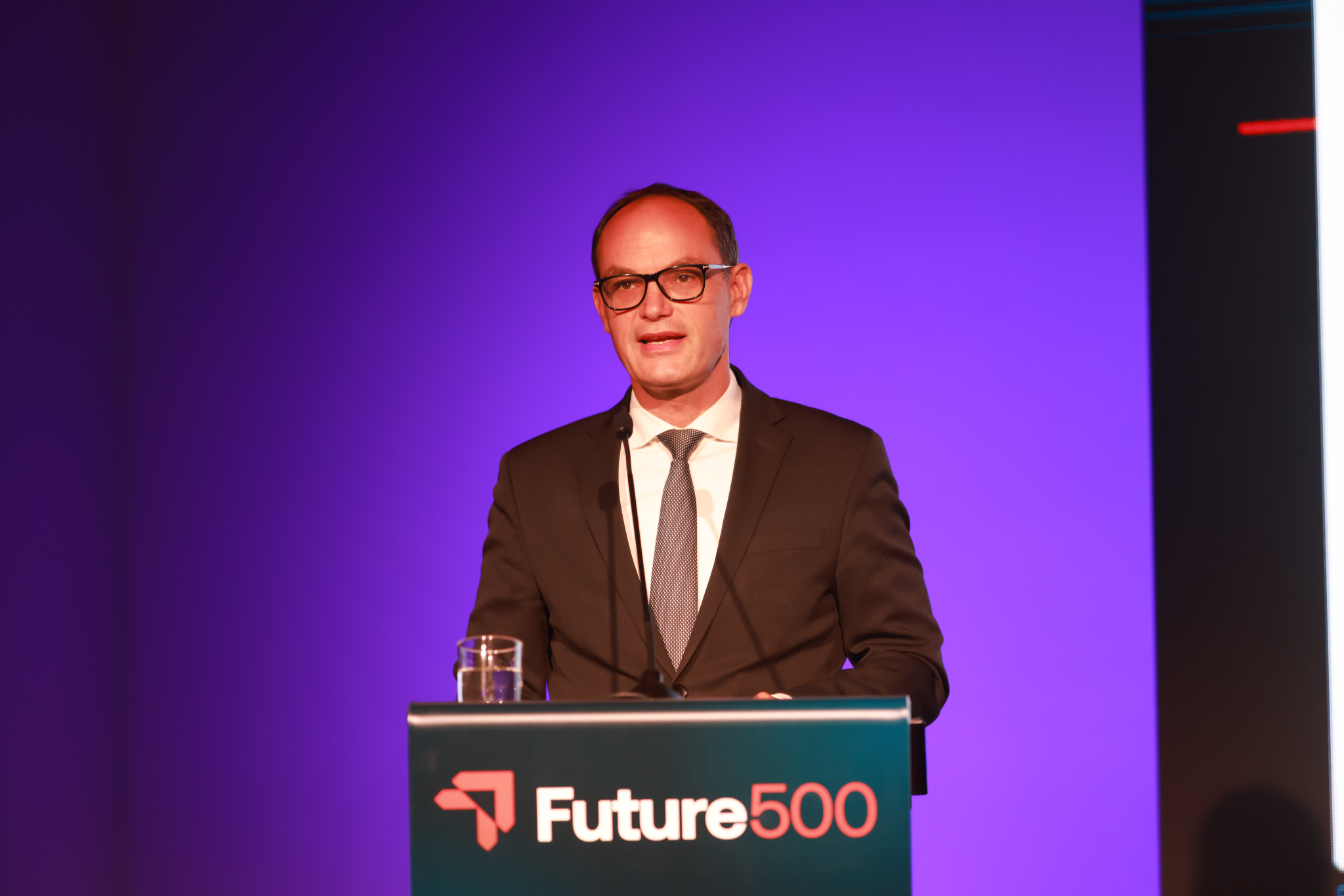
Kerstin Jorna, Director-General of DG GROW, said:
“The Single Market is like Gulliver—strong and beautiful, but tied to the ground by a million small strings. We need to cut those strings.”
The Future 500 Initiative argues that raising more capital is only half the answer. Europe must also improve how it identifies potential winners and ensures that funding, expertise, customers and industrial partnerships are concentrated behind companies with the capacity to compete internationally.
Its proposed model is summarised as “select, connect, support”: systematically identify promising businesses, connect them with the right institutions and decision-makers, and provide practical support for their next stage of growth.

As Orešković stressed in closing: “Europe knows the diagnosis. What it needs now is a practical mechanism for finding its strongest growth companies and help them to scale.
“Our ambition goes beyond producing another list. We want to help create the conditions for Europe’s first trillion-euro company, and ensure that European businesses no longer need to turn to US capital markets to achieve global scale.”
For further information, visit future500initiative.com.